Skip to content

RAIN GARDEN

Explore the vibrant world of art at LBIF. From rotating contemporary exhibitions in our light-filled gallery to hands-on workshops and immersive arts events, LBIF is a creative hub where artists and art-lovers connect. Join us to be inspired, make something new, and share in the artistic pulse of the island.

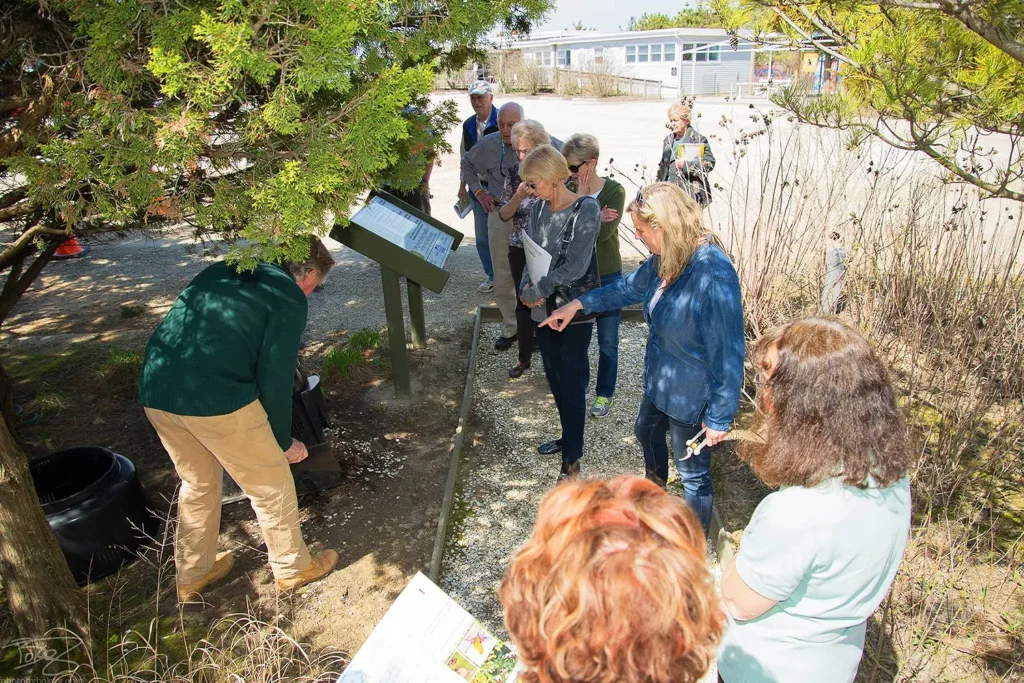
Visitors gather around the rain garden at the Long Beach Island Foundation of the Arts & Sciences, observing native plants and educational signage during an outdoor environmental program.

Rooted in Sustainability

Environmental stewardship is as much a priority as arts and science education at LBIF. One of LBIF’s standout sustainability features is its Rain Garden, a beautiful and functional landscape planted with native New Jersey species. This rain garden demonstrates how natural landscaping can manage stormwater runoff, improve water quality, and support local wildlife by capturing and absorbing rainwater that would otherwise flow into storm drains and the Barnegat Bay. Using native plants adapted to the coastal environment, the garden not only enhances biodiversity and habitat for birds and pollinators, but also showcases practical, eco-friendly landscaping techniques that residents and visitors alike can incorporate into their own yards to benefit the shore’s fragile ecosystem.

Watch and Learn More about LBIF's Rain Garden

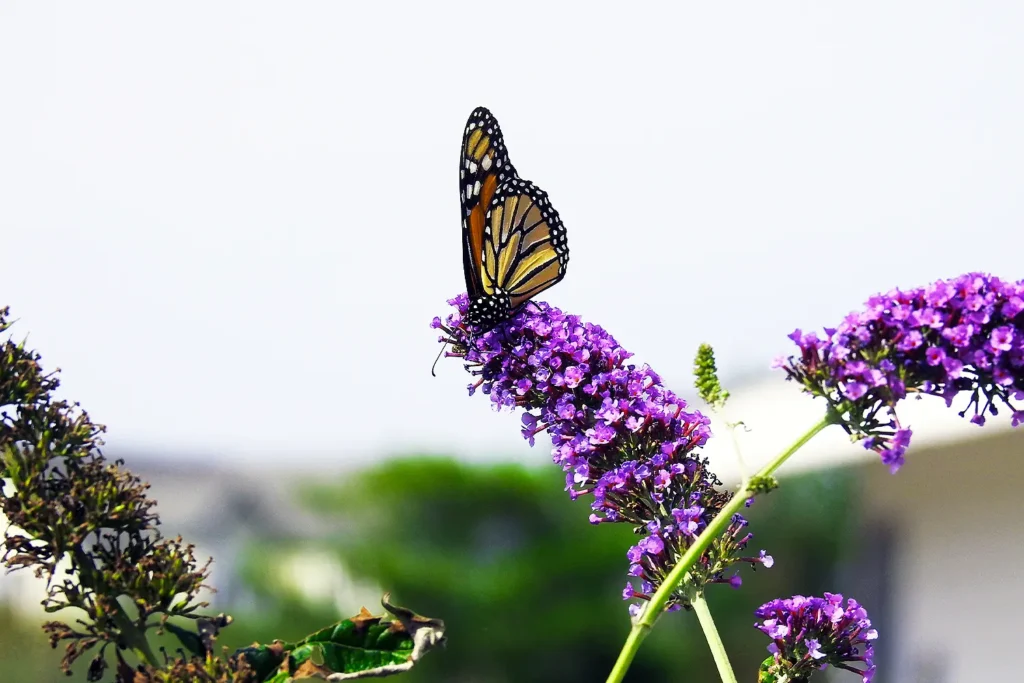
A monarch butterfly perched on a cluster of vibrant purple flowers in the pollinator garden at the Long Beach Island Foundation of the Arts and Sciences.

Monarch Waystation

LBIF’s Monarch Waystation provides a vital stopover habitat for migrating monarch butterflies along the Jersey Shore. Planted with milkweed and nectar-rich native plants, the waystation supports monarchs as they feed, lay eggs, and continue their long-distance migration at a time when monarch populations are in decline due to habitat loss. This living landscape not only strengthens local biodiversity but also serves as an outdoor classroom, helping visitors understand the monarch life cycle and the important role native plants play in protecting pollinators.

STAY IN TOUCH

SUBSCRIBE

Join our email list and be the first to know about upcoming programs, special events, and more!